If you are looking for a college-adjacent rental market with more than one tenant pool, South Bend deserves a closer look. The area near Notre Dame is not just about student housing, and that distinction matters when you are deciding what to buy, how to renovate, and how to underwrite cash flow. In this guide, you will see how the South Bend rental market near Notre Dame is structured, where pricing starts to shift, and what operating details can affect returns. Let’s dive in.
Why Notre Dame Drives Demand
Notre Dame is the clearest rental demand anchor in this part of South Bend. The university reports 8,923 undergraduates, 4,206 graduate and professional students, and 1,526 instructional faculty, which supports a broad off-campus housing ecosystem beyond traditional student rentals (Notre Dame overview).
That matters because the renter base is more layered than many investors expect. Notre Dame’s off-campus housing platform is designed for students, faculty, staff, and postdocs, and the university’s graduate housing resources highlight options that are often within walking distance of campus (Notre Dame off-campus housing). If you are evaluating an acquisition, you should think in terms of matching the asset to a specific renter profile rather than assuming all demand is student-driven.
South Bend Market Basics
South Bend is large enough to support a meaningful rental base while still offering neighborhood-level differences that investors can use strategically. According to the U.S. Census QuickFacts, the city has 103,713 residents, 41,282 households, a median household income of $55,786, and a median gross rent of $1,033 (U.S. Census QuickFacts).
The city’s 60.2% owner-occupied rate also tells you this is not a purely renter-dominated market. In practice, that can create a mix of stable owner-occupied blocks and rental-heavy pockets, especially near campus. For investors, that usually means location selection and block-by-block analysis matter more than citywide averages.
Near-Campus Rental Segments
Northeast Neighborhood
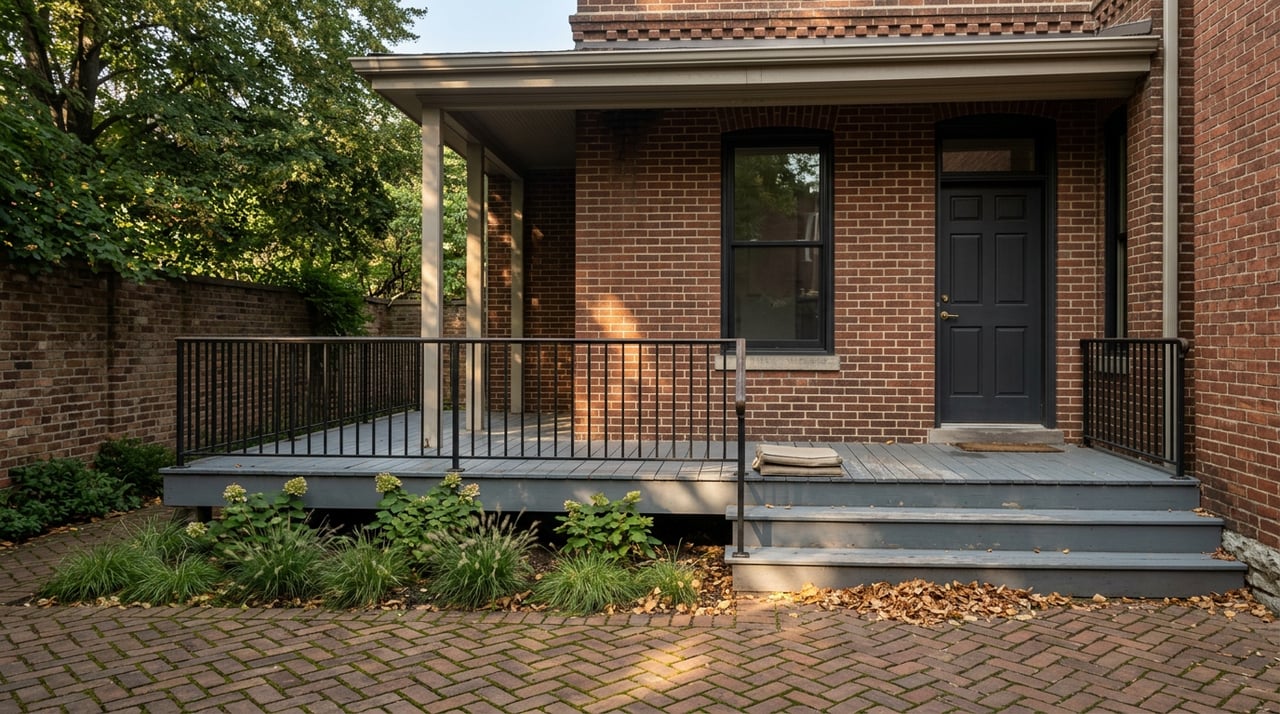
The Northeast Neighborhood sits immediately south of campus, just northeast of downtown and east of the St. Joseph River. Notre Dame notes that the area was long considered a desirable neighborhood for faculty and staff before investor-driven student rentals changed the housing mix, and current university-city partnerships are focused on revitalization (Northeast Neighborhood revival).
For you as an investor, this suggests a neighborhood with multiple possible use cases. Depending on the property and condition, an asset here may appeal to student renters, graduate students, faculty, staff, or longer-term residents seeking close campus access.
Eddy Street Area
The south edge of campus near Eddy Street Commons functions differently from older housing stock nearby. Notre Dame coverage says the two phases of Eddy Street Commons include 433 apartment units, 22 single-family homes, and substantial retail and community space, which helps explain the more premium, mixed-use feel around that submarket (Eddy Street Commons Phase II).
This area can support higher rent expectations, but it also sets a different standard for product. If you are targeting renters who want updated finishes, walkability to campus-adjacent retail, and a more polished living experience, your renovation scope and amenity positioning should reflect that.
River Park as a Value Play
If you want South Bend rental exposure without depending as heavily on immediate campus demand, River Park can offer a more value-oriented alternative. Apartments.com reports average rents in River Park at $873 for one-bedroom units and $1,032 for two-bedroom units, while noting the area’s access to Indiana University South Bend and local amenities (River Park rent data).
Compared with immediate near-campus areas, River Park may give you a different tenant profile and a lower price point. That does not automatically make it better or worse, but it does change how you should think about lease-up, renovation budgets, and cash flow targets.
What Rent Data Really Tells You
One of the biggest mistakes investors make in South Bend is using a single rent number for the whole city. The available data shows why that can be misleading.
Different sources report different rent benchmarks for South Bend. Zillow reports $1,350 average rent, Apartments.com reports $1,250, RentCafe reports $1,388, and the Census reports $1,033 median gross rent (Zillow market trends; U.S. Census QuickFacts). The Census also notes that different methodologies are not directly comparable, so active listing reviews matter.
That is especially true near Notre Dame, where current off-campus listings include a wide spread of pricing and lease structures. The university’s housing portal shows examples such as The Foundry at $1,443 to $4,414 total monthly rent, Fischer Graduate Residences at $765 per bedroom, Notre Dame Apartments at $795 per bedroom, and Overlook at Notre Dame at $945 to $1,830 per bedroom plus fees (current off-campus listings).
The takeaway is simple: treat rent comps as a range, not a single benchmark. You need to compare by unit type, furnishing level, lease term, bedroom count, and distance to campus.
Best Rental Strategies Near Notre Dame
Student Houses
Student-oriented houses close to campus can produce strong top-line rent, especially when bedroom count and walkability line up well with demand. But these properties often come with more turnover, more frequent cleaning and maintenance, and tighter seasonal leasing windows.
South Bend’s 2025 to 2029 housing plan notes that many units in the market sit vacant for much of the year and are rented or used by tourists during Notre Dame football season (South Bend housing plan). That seasonal pattern is important if you are underwriting a student-heavy property near campus.
One- to Two-Bedroom Units for Faculty and Staff
If you prefer steadier occupancy, smaller units aimed at faculty, staff, graduate students, or postdocs may offer a different risk profile. Notre Dame’s housing resources explicitly support these groups, and the graduate housing page emphasizes furnished studios and one-bedroom options for graduate and professional students, researchers, staff, and faculty through the broader off-campus ecosystem (Notre Dame off-campus housing).
In practical terms, these renters may place more value on move-in-ready condition, parking, and a clean, functional layout. You may give up some peak rent potential compared with a high-occupancy student house, but the tradeoff could be lower turnover and smoother management.
Furnished Medium-Term Rentals
A furnished medium-term rental strategy can make sense in the right location near campus. The current off-campus portal includes many furnished options and many 12-month leases, which signals demand for housing that is more flexible than a traditional long-term unfurnished rental but more stable than pure short-stay use (Notre Dame housing listings).
This approach may fit graduate students, visiting researchers, staff, or faculty transitions. If you pursue it, make sure your furnishing budget, cleaning plan, and replacement reserves are aligned with the heavier wear that furnished units often experience.
Underwriting Risks to Watch
Seasonality and Vacancy
Vacancy near Notre Dame is not only about annual percentages. It can also be highly seasonal, especially for assets tied closely to the academic calendar or football weekends.
That means you should build reserves for:
- Lease-up timing gaps
- Turnover labor and cleaning
- Furniture replacement, if applicable
- Off-season vacancy risk
- More frequent repairs in high-occupancy homes
A property with strong football-season demand can still underperform if the rest of the leasing plan is weak. Your pro forma should reflect year-round operations, not just peak-event income.
Affordability Pressure
South Bend’s housing plan says 49.0% of renter households are cost burdened, which points to ongoing pressure in the affordable rental segment (South Bend housing plan). For investors, this can support demand for well-positioned lower-cost rentals, but it also means tenant affordability should be part of your underwriting.
If you are buying outside the premium campus edge, realistic rent assumptions matter. The strongest opportunities often come from aligning product quality and price point with a specific renter pool rather than renovating past what the submarket can support.
Rehab and Development Considerations
If your strategy includes a rehab, infill project, or small development, due diligence matters early. South Bend’s Build South Bend resources note that vacant lots may require sewer and water reconnection, new construction averages roughly $150 to $200 per square foot, and the property must be zoned for the intended use (Build South Bend due diligence).
The city also provides tools like a cost calculator template, pre-approved housing plans, and a small developers handbook. If you are comparing a light rehab against ground-up or major redevelopment, these resources can help you narrow the true project scope before you commit.
Local Rules for Rental Owners
Before you buy, make sure your operating plan lines up with South Bend’s rental requirements. The city requires annual landlord registration for residential and multi-unit rental properties that the owner does not personally occupy. Registration is due by September 1 each year, lasts one year, and failing to register can lead to a $300 civil penalty per rental unit or rental unit community (South Bend landlord registration).
South Bend also has a Rental Safety Verification Program, which requires an inspection certificate for compliant rentals and focuses on health and safety rather than cosmetic issues (Rental Safety Verification Program). If you are underwriting acquisition costs, you should leave room for compliance work and inspection-related repairs.
At the state level, Indiana says it has relatively few landlord-tenant laws and no state agency directly regulates these disputes, but some rules are still important. For example, security deposits generally must be returned with an itemized list of deductions within 45 days after move-out if the tenant provides a forwarding address, and allowable deductions are limited to specific categories such as unpaid rent, damages beyond normal wear and tear, and certain unpaid charges (Indiana tenant-landlord guidance).
Fair housing compliance also matters at every stage of marketing, screening, and operations. Indiana’s Civil Rights Commission states that housing discrimination is prohibited based on race, color, national origin, religion, sex, familial status, or disability (Indiana Civil Rights Commission housing guidance).
How to Evaluate the Right Buy
If you are investing in South Bend rentals near Notre Dame, the best opportunities usually start with a simple question: Who is the property really for? The answer should shape your renovation plan, lease structure, furnishing decisions, reserves, and rent expectations.
A useful framework is to compare each opportunity by:
- Distance to campus
- Walkability and parking
- Bedroom mix and layout efficiency
- Furnished versus unfurnished positioning
- Expected tenant type
- Seasonal vacancy exposure
- Required city compliance work
- Rehab scope relative to target rents
South Bend near Notre Dame can work well for investors because it is not a one-note market. You have premium campus-edge rentals, traditional student houses, and more value-oriented submarkets within the same broader area. The key is disciplined underwriting and a clear match between the property and the renter pool you want to serve.
If you want help evaluating rental opportunities, rehab potential, or neighborhood fit in South Bend and Northwest Indiana, connect with Lesley Sweeney for a data-driven conversation tailored to your investment goals.
FAQs
What makes South Bend rentals near Notre Dame different from other college-town investments?
- South Bend offers multiple renter segments near Notre Dame, including students, graduate students, faculty, staff, and postdocs, so you can target more than a traditional student-only strategy.
What rent range should you expect for South Bend rentals near Notre Dame?
- Rent varies widely by product type and location, with citywide benchmarks ranging from $1,033 median gross rent in Census data to higher asking rents in active listings near campus, so property-specific comps are essential.
What South Bend neighborhoods should investors compare near Notre Dame?
- Many investors compare the Northeast Neighborhood for close-campus housing, the Eddy Street area for premium mixed-use proximity, and River Park for more value-oriented rental exposure.
What local rules apply to rental property owners in South Bend?
- South Bend requires annual landlord registration for non-owner-occupied rentals and may require compliance through the Rental Safety Verification Program, so buyers should confirm registration and inspection obligations before closing.
What operating risks should investors watch for in South Bend rentals near Notre Dame?
- The biggest risks usually include seasonal vacancy, student turnover, cleaning and maintenance costs, and underwriting rent based on broad city averages instead of true near-campus comparables.