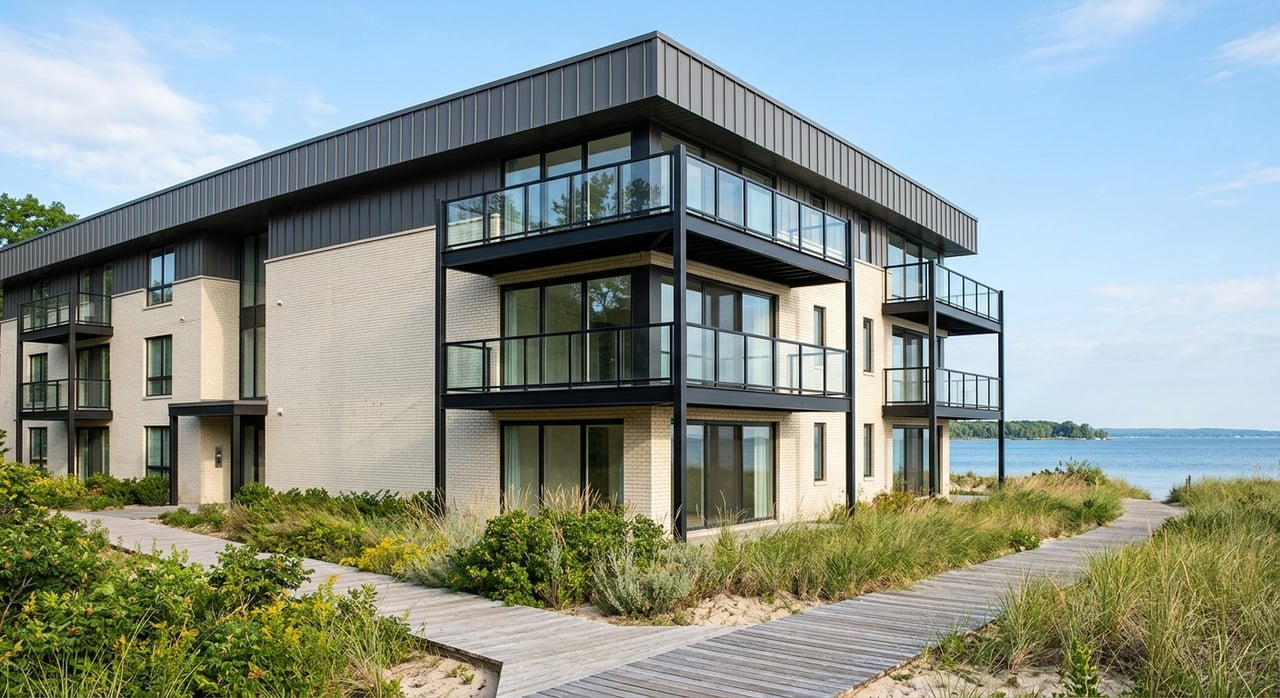
If you have been eyeing a place near Lake Michigan, Michigan City stands out for a simple reason: it can offer a waterfront lifestyle at a lower entry point than many nearby shoreline communities. Whether you want a personal getaway, a year-round home, or a property with income potential, it helps to understand where the true lakefront premium shows up and what ownership actually looks like. This guide breaks down pricing, location pockets, recreation drivers, and practical investment considerations so you can evaluate Michigan City lakefront homes with confidence. Let’s dive in.
Why Michigan City Stands Out
Michigan City sits within a broader Indiana shoreline market, not as an isolated beach destination. Indiana’s Lake Michigan shoreline spans Lake, Porter, and LaPorte counties, and nearby shoreline communities such as Gary’s Miller area also shape how buyers compare access, price, and lifestyle across the region.
What makes Michigan City different is the gap between its citywide pricing and its waterfront tier. According to Redfin’s Michigan City housing market data, the February 2026 median sale price was $245,000, while the broader city remains below the price point of true waterfront inventory.
That spread creates opportunity for buyers who want lake access, marina proximity, or a second-home feel without automatically stepping into the price brackets seen in some nearby shoreline enclaves. It also makes Michigan City worth a closer look for buyers thinking about both personal use and long-term value.
Waterfront Pricing in Michigan City
The first thing to know is that lakefront and waterfront homes represent a small, premium segment. In Zillow’s April 11, 2026 Michigan City waterfront listings snapshot, inventory ranged from a $309,000 condo to a $969,900 house, with an $849,000 lot also in the mix.
That range tells you something important. Michigan City’s waterfront market is not one-size-fits-all. You may find lower-maintenance condos at the entry level, larger shoreline homes at higher price points, and occasional land opportunities for buyers focused on custom plans or long-term value.
Nearby shoreline areas sit noticeably higher. The same Zillow snapshot shows Long Beach at about $730,269 and Dune Acres at about $875,863, while nearby neighborhood figures include Michiana around $798,198 and Grand Beach around $1,033,290. For many buyers, that comparison reinforces Michigan City’s position as a more accessible way to enter the Lake Michigan waterfront market.
Getaway Appeal Starts With Access
A big part of the demand story comes down to usable amenities. Washington Park and Beach is a major local draw, with a 99-acre lakefront park that includes a pier, beach access, picnic shelters, historic gardens, an amphitheater, and the zoo.
That kind of public lakefront infrastructure matters if you want a home that feels like a true getaway. You are not just buying a structure. You are buying proximity to beach days, waterfront walks, concerts, and a setting that feels active beyond your property line.
The city also tests water daily at Washington Park Beach, Stop 1 at California Avenue, and Stop 7 at Beachwalk, with results posted the next day. For buyers who plan to spend real time at the beach, that level of current public information adds practical value.
Marina Access Adds Another Layer
If your ideal lake home includes boating, the marina component is a major factor. The Michigan City Port Authority’s marina services outline maintenance, launch and haul-out service, a 24/7 self-serve fuel dock, and winter storage options.
Seasonal slip rates at Washington Park Marina range from $2,070 to $6,020, and overnight rentals start at $45. For buyers comparing homes near the harbor, Trail Creek, or marina area, these details matter because they shape the real cost and convenience of ownership.
This is one reason marina-adjacent and harbor-area properties often appeal to both lifestyle buyers and practical investors. Access to boating infrastructure can make a property more useful to you personally and more attractive to future guests or buyers.
Best Areas to Watch
Michigan City’s waterfront story is not limited to one address. Several shoreline pockets help buyers narrow their search based on priorities like beach access, boating, or a more tucked-away feel.
Washington Park Area
The Washington Park area is one of the clearest places to start. It connects buyers to the city’s flagship lakefront park, beach amenities, and marina access, which makes it especially appealing if you want a classic Lake Michigan lifestyle with a strong recreation component.
Trail Creek and Harbor Corridor
The Trail Creek watershed plan notes that the navigable channel is lined with residential and commercial structures, marinas, docks, and the Blue Chip casino. That mix makes the corridor one of the most distinct waterfront micro-markets in the area.
If you are weighing investment potential, this corridor deserves a close look. It offers a different feel from direct beachfront property and may appeal to buyers who prioritize boating access, harbor views, or a more active marina environment.
Beachwalk, Sheridan Beach, and Esplanade
Beachwalk appears in the city’s beach water-quality monitoring points, while Sheridan Beach and the Esplanade are referenced in the state coastal access plan. These names help you map the shoreline and understand where beach access and coastal orientation influence demand.
When you tour homes, the key is to look beyond the listing language and evaluate the actual relationship to the water. Some properties offer direct frontage, some offer walkable beach access, and others derive value from proximity to marinas, views, or public shoreline amenities.
Is It Only a Summer Market?
Not at all. Michigan City has a strong seasonal rhythm, but it is not limited to summer use. According to the city parks department, Michigan City parks and recreation supports year-round activity, and Washington Park offers recreation beyond peak beach season.
The marina season runs from April 1 through October 31, based on the Washington Park Marina rates information, but that does not mean lakefront ownership shuts down in the off-season. The city notes seasonal activities such as cross-country skiing, along with trails, parks, and programming throughout the year.
For you as a buyer, this matters in two ways. First, a second home can still get meaningful use outside peak summer weekends. Second, a year-round lifestyle case may support stronger long-term demand than a market that functions only as a short seasonal destination.
Rental Potential and Investment Reality
Michigan City does have tourism demand. The National Park Service page for Indiana Dunes National Park notes that the park is about one hour from Chicago and recorded 2,705,209 recreational visits in 2024.
That visitor volume helps explain why some buyers look at Michigan City homes as both getaways and possible income properties. A well-located condo or house near the beach, marina, or key recreation areas may attract weekend and seasonal interest.
Still, it is important to stay grounded. Rental income depends on the specific property, furnishing level, management plan, carrying costs, and current local rules. Before you build your purchase strategy around short-term rental income, verify the property’s current eligibility through the city.
The city’s Building & Inspection Department states that short-term rental, business registration, and other applications are handled through Cloudpermit. If investment is part of your plan, confirming permit requirements early can save you time and help you avoid underwriting a property on assumptions.
Risks to Factor Into Your Search
Lakefront ownership comes with tradeoffs, and strong buyers plan for them upfront. Indiana’s Lake Michigan shoreline recreation guidelines note that high water levels, winter storms, and large waves can contribute to erosion, property damage, and beach closures.
Those same guidelines explain that the water and land up to the ordinary high-water mark are held in trust for public use. At the same time, visitors and owners should stay off seawalls, sand dunes, and dune grass and respect neighboring private property.
This is especially important if you are comparing homes that seem similar on paper. Shoreline condition, access limitations, parking, and the practical usability of the site can vary from one pocket to another. A smart purchase decision includes the physical realities of the location, not just the photo set and headline price.
How to Evaluate a Michigan City Lakefront Home
If you are serious about buying, focus on a mix of lifestyle and financial criteria:
- Define your main use first: getaway, year-round living, or investment-heavy ownership
- Compare direct frontage versus access-based value: not every waterfront premium works the same way
- Review marina proximity and boating costs if watercraft access matters to you
- Confirm current permit requirements before assuming short-term rental use
- Study shoreline conditions and access limits in the exact area you are considering
- Look at the broader price context to understand how Michigan City compares with nearby shoreline communities
For many buyers, the right property is not the most dramatic one. It is the one that best aligns with how you plan to use it, what costs you are willing to carry, and how flexible you want the asset to be over time.
The Bottom Line
Michigan City offers a compelling middle ground on Lake Michigan. You can find a more accessible citywide market, a distinct waterfront premium, meaningful beach and marina infrastructure, and a location that benefits from regional tourism and shoreline demand.
That combination can work well if you want a personal retreat, a property with year-round usability, or an investment opportunity that you evaluate with realistic assumptions. If you want guidance on comparing waterfront options in Michigan City and the broader Northwest Indiana shoreline, Lesley Sweeney can help you make a data-driven decision with a clear plan.
FAQs
What do Michigan City waterfront homes typically cost?
- Current public listing examples show entry-level waterfront condos around the low $300,000s, with larger homes reaching close to $1 million and some land offerings priced in the high $800,000s, based on Zillow’s waterfront snapshot.
Can you use a Michigan City lakefront home as a short-term rental?
- Possibly, but you should verify current city permitting and registration requirements through Michigan City’s Building & Inspection Department before treating rental income as part of your purchase plan.
Is Michigan City only a summer getaway market?
- No. The city parks system and Washington Park support year-round recreation, even though boating and marina activity are more seasonal.
Which Michigan City areas are most relevant for waterfront buyers?
- Key shoreline areas to watch include Washington Park, the harbor and Trail Creek corridor, Beachwalk, Sheridan Beach, and the Esplanade.
What should buyers watch for with Lake Michigan shoreline property?
- Buyers should pay close attention to erosion risk, storm impact, changing beach conditions, public access rules, and the practical difference between direct frontage and nearby water access.