Thinking about moving to Chesterton but worried about the daily trip to the Loop? You are not alone. Many Chicago professionals choose Northwest Indiana for space and value while keeping careers in the city. In this guide, you will learn the real-world options for getting from Chesterton to downtown Chicago, how to plan door to door, and what that means for your home search. Let’s dive in.
Your main commute options
- South Shore Line rail via the Northern Indiana Commuter Transportation District, with service into Millennium Station.
- Driving via I-94, I-90, and connecting arterials, with toll and non-toll choices.
- Hybrid strategies that combine park and ride, flexible hours, and mixed-week commuting.
Each path trades time, cost, and predictability. Your best fit depends on where you live, your office location, and how much flexibility you have.
South Shore Line basics
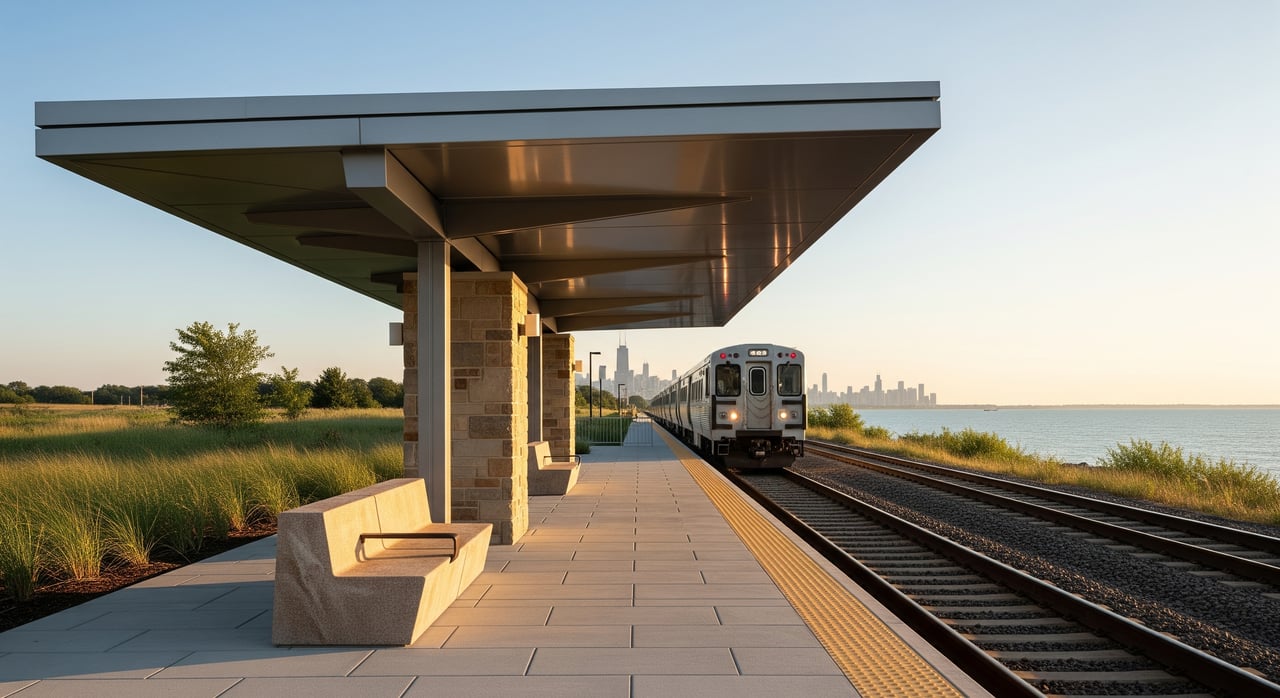
The South Shore Line is the main public rail option for Chesterton-area commuters. Trains run peak-direction express service plus all-day local service and terminate at Millennium Station in the Loop.
Stations near Chesterton
- Chesterton station. For many in town, this is the closest, with a short walk or drive.
- Dune Park. A larger regional hub in Porter County that many use for park and ride.
- Ogden Dunes. A smaller stop with limited parking that can fill early.
What matters for you:
- Proximity. A shorter first mile means less morning stress.
- Parking reliability. Larger lots like Dune Park often offer more predictability.
- Stopping patterns. Some peak express trains skip smaller stations. Confirm that your target train stops at your station.
Schedules, fares, and passes
South Shore fares vary by distance and ticket type, and monthly or multi-ride passes can lower your per-trip cost if you commute often. From Millennium Station, you can walk to many Loop offices or use CTA for last-mile connections. Many employers offer pre-tax commuter benefits, which can meaningfully reduce net costs.
For current schedules, fare calculators, and service alerts, use official South Shore Line resources and real-time apps. Verify any details before you lock in a routine.
Parking at stations
Station parking is managed by NICTD or local agencies. Expect a mix of daily-paid lots and permit options. Popular lots can fill early on weekday mornings, especially at smaller stations. Check the specific station’s policy, hours, and permit availability before you rely on a particular lot.
Driving to downtown Chicago
Driving gives you full control over departure and return times. It also introduces variability with traffic, weather, and incidents.
Routes and timing
- Primary corridor: I-94 West toward Chicago, accessed from US-20 or local arterials.
- Alternate route: I-90 with tolled segments such as the Indiana Toll Road and the Chicago Skyway.
In light traffic, plan roughly 60 to 90 minutes door to door. During peak rush, your time often stretches beyond 90 minutes and can exceed 2 hours on bad days. Expect higher variability in winter or during construction.
Tolls and payment
Tolled segments can shorten your trip but add cost. Transponders like I-PASS generally provide lower rates than license-plate billing and work across regional systems. If you drive most days, include tolls as a recurring line item in your monthly budget.
Downtown parking
Loop-area parking is expensive. Some employers subsidize parking, but many do not. If you need to drive only part of the way, consider parking outside the core and using CTA or rail for the last mile.
Check road status
For real-time conditions, consult official tollway and road operators, along with mapping apps for congestion and incidents. Build in extra time for weather, events, and lane closures.
Build a door-to-door plan
Use this simple method to compare options for your specific address and schedule:
- First mile. How long does it take to get from your home to the station platform or highway on-ramp? Include drop-off and walking time.
- Parking or drop-off. Add time to park, pay, and reach the platform or destination entrance.
- Travel time. Use current train schedules or historical drive times for your exact departure windows.
- Last mile. From Millennium Station or your downtown garage, estimate your walk or CTA transfer time to your office.
- Buffer. Add 10 to 20 minutes for variability. This protects you against small delays.
Realistic commute scenarios
Below are typical patterns people use from Chesterton and nearby Porter County communities. Use them as templates and adjust based on your address and work hours.
Rail-focused routine
- First mile: Walk or take a short drive to the Chesterton station.
- Train: Board a peak-direction train that stops at your station. Choose an express if available.
- Last mile: Walk from Millennium Station or take a CTA connection.
- Trade-offs: High schedule predictability and less stress. You will want a backup plan if your preferred train is skipped by express patterns or is very crowded.
Park and ride at Dune Park
- First mile: Drive 5 to 15 minutes to Dune Park for larger-lot parking.
- Train: Catch an express train more likely to stop at this hub station.
- Last mile: Walk from Millennium Station or connect via CTA.
- Trade-offs: Slightly longer first mile, but you gain more train choices and parking reliability.
Drive the full route
- Door to door: Drive from home to your downtown garage or reserved spot.
- Considerations: Maximum schedule flexibility. Costs add up with tolls and parking, and rush hour congestion can be unpredictable. Works best if you commute off-peak or do not go in daily.
Mixed-week strategy
- Approach: On some days, drive and pay tolls to meet wide-ranging meeting schedules. On others, ride the South Shore for predictable arrivals.
- Benefits: Controls costs by reducing daily parking expenses and spreads out commute stress.
- Pro tip: Align your rail days with on-site Loop meetings and your drive days with late starts or off-peak returns.
Housing decisions and your commute
Your commute pattern should shape where you buy or rent in the Chesterton area.
- Near-station living. Homes within a short walk of the Chesterton station reduce first-mile time but may have tighter inventory and some station-area trade-offs.
- Highway access. Neighborhoods with quick routes to US-20 and I-94 suit frequent drivers, even if they are farther from rail.
- Dune Park access. Living near a larger park-and-ride can simplify busy mornings by improving your odds of getting your preferred train and spot.
- Hybrid work. If you commute fewer days, you can widen your home search a bit farther from stations without sacrificing quality of life.
Before you sign a lease or offer
- Test your real commute at your actual departure times.
- Check station parking rules and permit availability.
- Confirm which peak trains stop at your preferred station.
- Ask your employer about pre-tax commuter benefits or parking subsidies.
- Price out your monthly total cost, including fares, parking, tolls, and fuel.
- Set up transit and traffic alerts so you can pivot as conditions change.
Seasonal and long-term factors
- Winter impacts. Snow and ice can slow driving and affect rail operations. Give yourself more buffer time during severe weather.
- Construction seasons. Road projects and station improvements can change patterns for months. Keep an eye on operator alerts.
- Employer changes. A shift to more flexible hours can make driving more workable, while a move outside the Loop might favor rail plus a CTA connection.
How I can help
Choosing the right home in Chesterton, Porter County, or nearby communities starts with an honest commute plan. As a dual-state advisor with a data-driven approach, I help you model time and cost, compare stations and routes, and align your location with the routine you want. Whether you need walkable access to rail or quick highway connections, you will get clear options and a smooth process.
If you are weighing a move from Chicago or looking to expand your home search in Northwest Indiana, let’s map your commute and your next address together. Connect with Lesley Sweeney to get started.
FAQs
Is the South Shore Line faster than driving from Chesterton?
- It depends on timing and conditions. In peak rush, an express train from a nearby station can be faster and more predictable than driving. Off-peak, driving may be quicker.
Which Chesterton-area station should I use for rail?
- Choose the station that balances your first-mile time with train frequency and parking reliability. Many commuters use Dune Park for more parking and express stops, while others prioritize walking to the closest station.
How much will my monthly commute cost from Chesterton?
- Add rail fares or passes, station parking if needed, plus any tolls, fuel, and downtown parking. Use official fare and toll calculators and your garage’s pricing to build a monthly estimate.
Is parking reliable at Dune Park and smaller stations?
- Larger hub lots are generally more reliable. Smaller lots can fill early on weekdays. Check the latest station policies and consider arriving earlier if you do not have a permit.
What if my office is not in the Loop?
- From Millennium Station you can walk to many Loop locations or connect via CTA to reach other neighborhoods. If your office is far from rail, consider a mixed-week plan with some drive days.