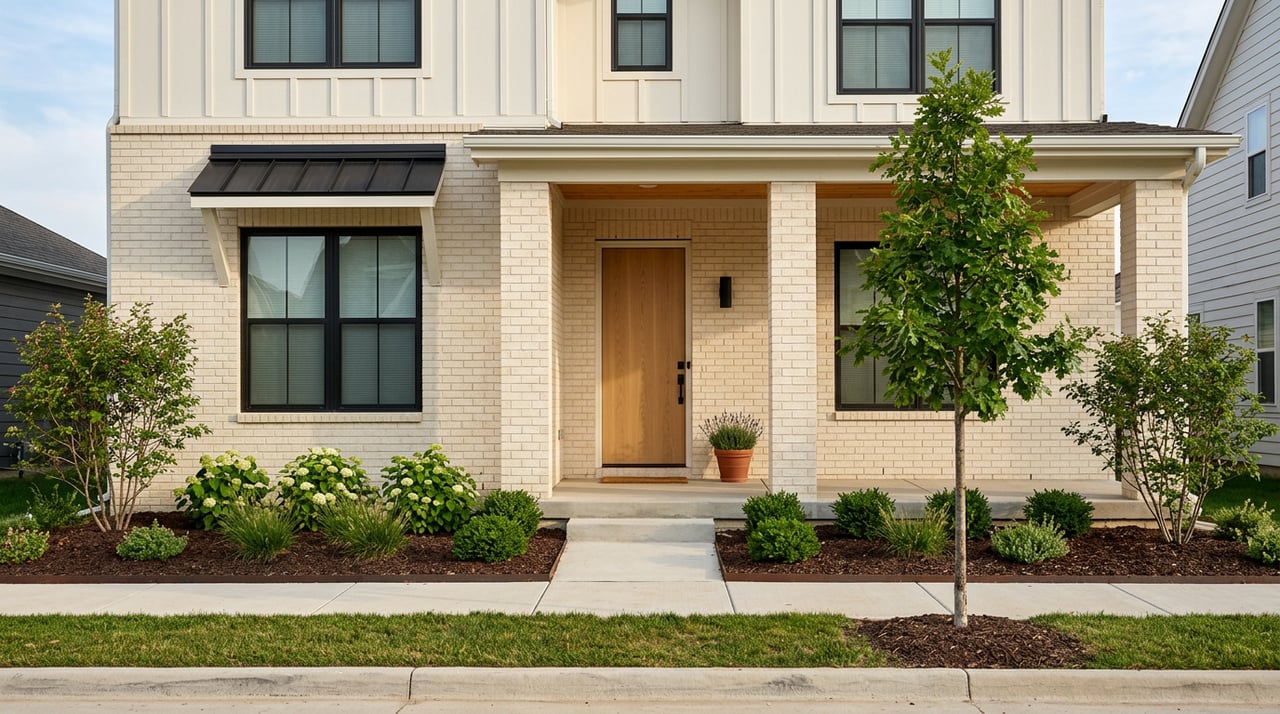
Thinking about a brand-new home in Valparaiso but not sure where to start? You’re not alone. New construction can offer space, energy efficiency, and modern layouts, but the process and contracts are different from a typical resale. In this guide, you’ll learn where to look, how builder contracts work, what upgrades really cost, and how to protect your budget and timeline. Let’s dive in.
What’s selling now in Valparaiso
As of March 2026, several communities in Valparaiso are actively marketing new homes:
You will also see regional and local builders such as Coolman Communities, Diamond Peak, and Steiner/Steiner Homes appear in available inventory. Nearby Gary has seen more infill and redevelopment activity rather than large subdivision growth, which is helpful context if you are comparing locations across Porter County.
Inventory, floor plans, and builder incentives change quickly. Many builders adjust with rate buydowns, closing cost credits, or upgrade allowances when demand softens, a trend noted in industry surveys and commentary on incentives and pricing strategies (NAHB’s Eye on Housing). Ask the sales office or your agent for up-to-date spec homes, lot releases, and current incentives.
How builder contracts differ from resale
Builder purchase agreements are not the same as the standard local resale contract. Expect terms that prioritize the builder’s timelines and cash flow. Here is what to watch, plus questions you can bring to the sales office or your agent.
Who writes the contract
- Builders use their own agreements, often drafted to favor their process and protections. Have your agent and, if needed, a construction-savvy attorney review terms before you sign. Learn more about why representation matters when buying new construction from this overview on buyer representation and contract timing (Frankel Realty Group).
Deposits and earnest money
- Expect a reservation or purchase agreement plus deposits. Some builders take 1–10 percent at reservation, then additional deposits at signing. Design center selections often require extra payments. Ask for the full deposit schedule, refund rules, and when each payment is due in writing (Frankel Realty Group).
Financing and appraisal protections
- Builder contracts may narrow contingencies. If the appraisal comes in low, the contract might limit your options. Consider language that provides a reasonable financing contingency window and clarifies deposit refunds if your loan is denied. See consumer guidance on protecting yourself and remedies if defects or disputes arise (Anthem EAP legal resource).
Sample questions to ask:
- What happens if the appraisal is below the purchase price?
- Do I have a defined financing contingency and timeline for loan approval?
- Under what conditions are deposits refundable?
Selections, deadlines, and change orders
- Design center deadlines and change order rules are strict. Changes can add cost and delay completion. Ask for itemized pricing on every option, written change orders, a capped builder markup, and the estimated time impact before you approve a change.
Questions to ask:
- What are my selection deadlines for cabinets, countertops, flooring, and lighting?
- How are change orders priced and what markup applies?
- Will changes affect the delivery date, and how will that be documented?
Dispute resolution and arbitration
- Many contracts require mediation or arbitration. Arbitration is private and may limit discovery and certain remedies. Ask for neutral arbitration language and consider reserving the right to litigate major claims. An attorney can review these clauses with you (Anthem EAP legal resource).
Occupancy, COs, and punch lists
- Some builders allow early occupancy or use temporary certificates. Closing can happen with a punch list still open. Document everything during your pre-closing walk-through, and confirm who fixes what, by when, and how completion will be verified (Frankel Realty Group).
Smart upgrade budgeting
Your selections drive a big share of total cost. Industry cost breakdowns show interior finishes like cabinetry, counters, flooring, and appliances are major cost components. That is why upgrade planning matters from day one.
Typical ranges to plan for:
- Minor personalization: 1–3 percent of the base price
- Moderate upgrades for kitchen, bath, and flooring: 5–15 percent
- High-end finish packages or structural changes: 10–25 percent or more
Example: On a $400,000 base price, a 10 percent finish package equals about $40,000. If the builder asks for 30 percent of upgrades at selection, you would need about $12,000 during the design phase, with the balance due later. Builders often request 20–50 percent of upgrade costs at or shortly after selections, so plan cash flow ahead of time (Frankel Realty Group).
Tips to keep the budget on track:
- Get every option priced in writing with model numbers and installation details.
- Ask what is standard in the base price versus what you saw in the model home.
- Prioritize structural items and hard-to-change elements first. It is usually cheaper to choose upgrades now than retrofit after closing.
- Clarify vendor markups in writing and try to cap them in the contract.
For background on why finishes and selections matter to total cost, see this overview of construction cost components and upgrade planning guidance often referenced by buyer representatives.
Warranties, inspections, and your protection
Most builders provide a written warranty or enroll your home with a third-party administrator. Many follow a “1-2-10” pattern: one year for workmanship, two years for distribution systems like HVAC and plumbing, and ten years for structural elements. Always read the full warranty, understand coverage and exclusions, and get the claims process and any service fees in writing (2-10 Home Buyers Warranty).
What warranties often exclude:
- Normal settling and minor cosmetic issues
- Routine maintenance and owner-caused damage
- Separate manufacturer warranties for items like appliances and windows
Plan independent inspections at key milestones. InterNACHI and inspection professionals recommend at least a pre-drywall check before walls close, plus a final inspection. An 11-month inspection near the end of your first year helps capture warranty items while you are still covered (InterNACHI).
Recommended inspection points:
- Pre-drywall or rough-in
- Final inspection and documented punch list before closing
- 11-month inspection before the workmanship warranty anniversary
Keep a dated folder with contracts, change orders, selections, inspection reports, and photos. If a third-party warranty administrator is involved, register promptly and confirm the claims channel.
Your step-by-step roadmap
Follow this practical flow to reduce surprises and keep leverage.
- Pre-search
- Define must-haves: lot size, commute time, and floor plan features.
- Shortlist communities and builders. Use the community listings above for specs and models.
- Compare move-in ready homes to to-be-built options based on your timing.
- Engage a buyer’s agent early
- Register your agent before or at your first model visit. Builder sales teams represent the builder. Your agent explains terms, compares incentives, and helps negotiate protections you might not think to ask for (Frankel Realty Group).
- Before you sign anything
- Get these in writing: the full purchase contract, lot-specific spec sheet, allowance schedule, exact option pricing, deposit and refund rules, realistic completion timeline with remedies for delay, draft HOA documents with estimated dues, and the full warranty booklet. Confirm whether incentives require a preferred lender or title company and ensure every promised incentive is listed in the agreement or an addendum (Anthem EAP legal resource).
- Design center strategy
- Ask for itemized pricing and a clear payment calendar. Try to cap markups on subcontracted changes. Make sure the builder provides a written list of what in the model home is standard versus optional. Budget your upgrade deposits into your overall cash plan (Frankel Realty Group).
- Inspections and quality control
- Schedule at least a pre-drywall inspection and a final independent inspection. Put unresolved items on a signed punch list attached to your closing paperwork. Plan an 11-month follow-up so warranty items are captured in time (InterNACHI).
- Closing and after
- Confirm transfer and registration of all warranties. Get written timelines for remaining punch list items and who pays if repairs slip. Keep your records for future resale value and track future phases that could affect traffic patterns or amenity access (2-10 Home Buyers Warranty).
Local checks before you commit
- Confirm school attendance boundaries directly with the district for your specific lot. You can find contact information for Valparaiso Community Schools here (Valparaiso Community Schools).
- For permits, utilities, and infrastructure timing, contact Valparaiso’s planning and building departments. The city’s neighborhood directory is a good starting point for contacts and links (City of Valparaiso Neighborhood Directory).
Negotiating tips and red flags
Common negotiable items with builders:
- Mortgage rate buydowns through a preferred lender
- Closing cost credits written into the agreement
- Design center credits or included upgrades
- Builder-paid HOA dues for the first year or help with lot premiums
Red flags to question:
- Non-refundable deposits without a clear refund schedule
- Language allowing material substitutions without buyer approval or price-quality parity
- Mandatory arbitration clauses that severely limit remedies or fee recovery
- Vague change order rules or uncapped markups
Helpful phrasing to consider with your agent or attorney:
- “All incentives, including any rate buydown, closing cost credit, and upgrade credit, will be listed and quantified in the purchase agreement or an addendum.”
- “Change orders must be written, itemized for labor and materials, dated, and any builder markup will be capped at X percent.”
- “Buyer will have a defined financing contingency period. If the loan is denied within that window, deposits will be refunded.”
Final thoughts
Buying new construction in Valparaiso can be straightforward when you plan your budget, secure contract protections, and build in quality checks. Focus on total cost, not just base price. Put every promise in writing. Schedule inspections at the right times. And lean on a local advocate who understands how builders structure incentives and timelines.
If you want a clear, numbers-forward plan for your move, reach out to Lesley Sweeney to compare communities, evaluate incentives, and align your selections with your budget and timeline. Schedule your complimentary market consultation.
FAQs
What should I budget for upgrades on a new Valparaiso home?
- Plan 5–15 percent of the base price for moderate finish upgrades, with 1–3 percent for minor personalization and 10–25 percent or more for high-end or structural changes.
Are builders in Valparaiso offering incentives right now?
- Incentives like rate buydowns, closing cost help, and upgrade credits are common industry tools and often adjust with demand; ask each community for current offers and requirements (NAHB commentary).
Do I need an inspection on new construction if the city inspects it?
- Yes. Independent inspections at pre-drywall, final, and 11 months help catch issues that municipal checks may not cover in detail (InterNACHI guidance).
How do new-home warranties usually work?
- Many follow a 1-2-10 pattern: one year for workmanship, two for systems, and ten for structural elements; read the full booklet for coverage, exclusions, and claims steps (2-10 overview).
What contract clauses should I focus on with a builder?
- Review deposits and refundability, appraisal and financing contingencies, change order rules and markups, dispute resolution terms, and punch list completion timelines before signing (consumer legal resource).