Looking for a home with real character in the middle of downtown Chicago? River North loft living stands out because it blends industrial architecture, open space, and a walkable urban setting in a way few neighborhoods can. If you are weighing a loft against a more traditional condo, this guide will help you understand the style, common building types, and the tradeoffs that matter most before you buy. Let’s dive in.
Why River North Fits Loft Living
River North did not borrow its loft identity from a trend. The neighborhood grew from a manufacturing and warehouse past, then evolved into a mixed-use district with homes, offices, entertainment, and design-focused spaces. That history is still visible in the brick buildings, large windows, and wide floor plates that shape the area today.
That industrial foundation gives River North a loft feel that feels authentic rather than staged. Choose Chicago describes the neighborhood as an ultra-urban district with art galleries and studios in former warehouse buildings, while the Chicago Architecture Center points to its shift from manufacturing hub to lively mixed-use neighborhood. If you love homes with architectural texture, River North offers that in a very local, very recognizable way.
What Counts as a Loft
Not every loft in River North is the same. In general, you will see two main categories: hard lofts and soft lofts. Understanding the difference can make your search much more focused.
Hard lofts
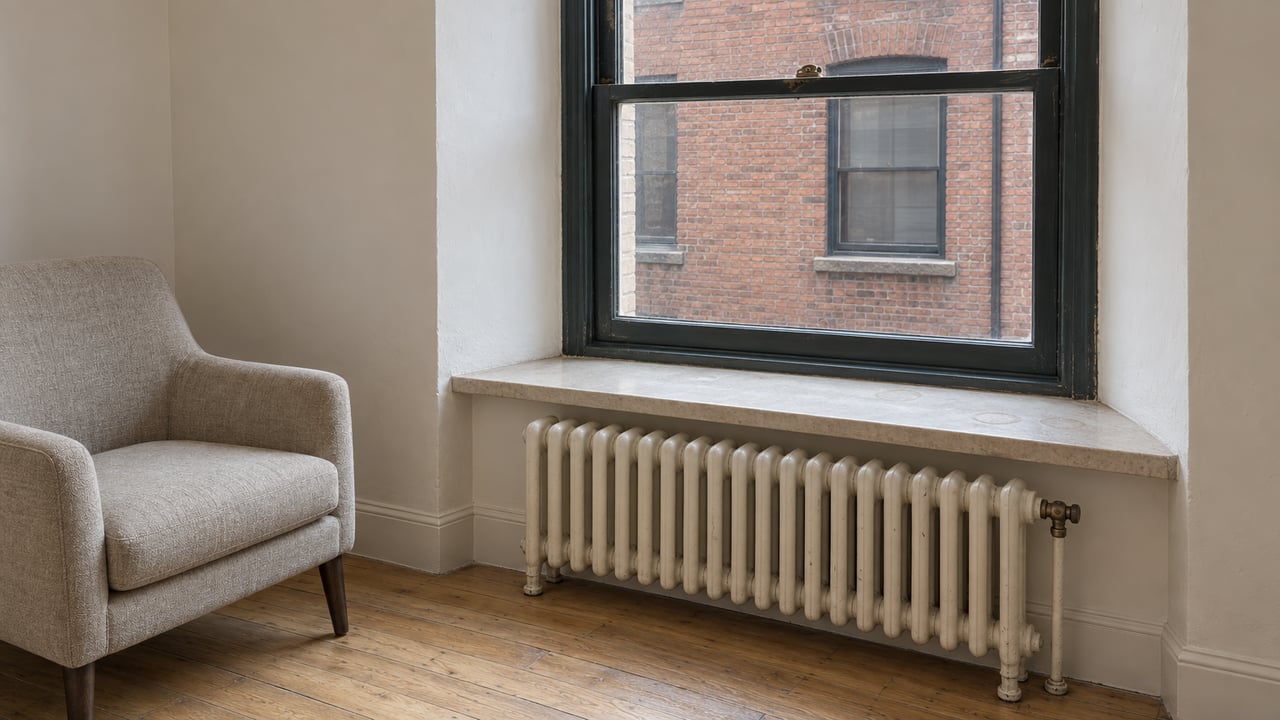
A hard loft is usually a converted industrial building, such as a warehouse or factory. These homes often keep original details like exposed brick, visible ductwork, concrete or wood floors, oversized windows, and very high ceilings.
In River North, that can mean spaces that feel dramatic, airy, and highly individual. The architecture often does a lot of the design work for you, which is a major part of the appeal.
Soft lofts
A soft loft is usually newer construction or a newer redevelopment designed to capture the loft look. You may still get open layouts, tall ceilings, and industrial-inspired finishes, but with more modern systems, added storage, and building amenities.
For many buyers, soft lofts offer a middle ground. You can get some of the visual style of a loft without taking on every quirk that comes with an older industrial shell.
River North Loft Buildings to Know
River North listings show a wide range of loft options, from true industrial conversions to loft-inspired newer projects. That variety is part of what makes the neighborhood appealing to different types of buyers.
At 153 W Ohio Street, also known as Paper Box Lofts, the building is marketed as a former box factory and loft-office building converted to luxury apartments with soaring timber ceilings and strong natural light. At 11 E Illinois, the redevelopment style leans newer, with 12-foot-plus ceilings, exposed brick, large windows, and open floor plans.
Other examples show how varied the inventory can be. A condo at 525 W Superior highlights 14-foot timber ceilings, exposed-brick accents, and a balcony. At 900 N Kingsbury, a concrete loft advertises 12-foot concrete ceilings and exposed ductwork, while 375 W Erie emphasizes timber loft features, natural light, exposed brick, a fireplace, and a private balcony.
The takeaway is simple: the word loft in River North can describe several very different living experiences. That is why the details of a specific building and unit matter more than the label alone.
How River North’s Architecture Shapes the Feel
Part of what makes loft living here so compelling is the streetscape around you. River North still carries visible reminders of its industrial and commercial past, and that adds context to what you see inside residential lofts.
The Montgomery Ward & Co. Catalog House at 600-618 W. Chicago Avenue was built in 1907-1908 as a massive warehouse and office building. The Reid, Murdoch & Co. Building at 320 N. Clark, built in 1914, was designed with both river-level docking and a street-level promenade. The Tree Studios, Annexes, and Courtyard at State, Ohio, and Ontario is known for large windows and an interior courtyard.
These landmark buildings help explain why River North feels the way it does. Brick walls, oversized windows, courtyards, and broad floor plates are not just aesthetic choices here. They are part of the neighborhood’s built history.
Even nonresidential properties reinforce that feeling. Listings at 750 N Orleans and 9-15 W Hubbard emphasize features like timber construction, high ceilings, hardwood floors, central atriums, and abundant natural light. As you walk River North, those building cues shape your impression of what loft living means in this part of Chicago.
What Daily Life in a Loft Feels Like
For many buyers, the biggest benefit of a loft is not square footage alone. It is the sense of volume. High ceilings, open layouts, and large windows can make a home feel much bigger and brighter than the numbers on paper suggest.
That extra visual space can be especially appealing if you work from home, entertain often, or simply prefer a more open environment. River North loft listings repeatedly highlight natural light and flexible layouts for exactly that reason.
Open space also invites creativity. In many lofts, owners use rugs, shelving, furniture groupings, and built-ins to create separate zones for sleeping, working, dining, and relaxing. If you like a home that can adapt with your routine, that flexibility can be a real plus.
The neighborhood adds another layer of appeal. River North is known for galleries, design-oriented spaces, dining, nightlife, and access to major corridors and transit stations like Chicago Avenue and Grand Avenue. In many cases, buying a loft here is as much about the surrounding lifestyle as the unit itself.
The Main Tradeoffs to Consider
Lofts can be beautiful, but they are not the right fit for every buyer. The features that make them stylish can also create some practical compromises.
Privacy and separation
Open layouts usually mean fewer interior walls. That can make a loft feel expansive, but it also means less visual and sound separation between sleeping, working, and living areas.
If you want clearly defined rooms, a traditional condo may feel more comfortable day to day. Some soft lofts reduce this issue with partial walls or more built-in separation.
Noise and echo
Exposed materials and tall ceilings can make sound travel more easily. In a busy urban neighborhood like River North, unit location and window orientation can matter a lot if you are sensitive to street or alley noise.
Inside the home, open plans can also create echo. Rugs, drapery, and furniture can help soften that, but it is something to think about before you commit.
Heating and cooling
Older industrial shells can be draftier and may cost more to heat or cool. Tall ceilings also mean more air volume to manage, which can affect comfort and utility costs.
Soft lofts often improve on this with newer insulation and more modern systems. Still, HVAC quality is worth close attention in any loft you tour.
Storage and amenities
Hard lofts may offer less built-in storage than a conventional condo. You may need to get creative with wardrobes, shelving, and custom pieces.
Some older loft buildings also have fewer amenities than newer condo developments. If features like a gym, roof deck, or more turnkey building systems are high on your list, a soft loft may be the better match.
Loft vs Traditional Condo in River North
If you are comparing options, it helps to look at the decision in practical terms.
| Feature | River North Loft | Traditional Condo |
|---|---|---|
| Layout | Open and flexible | More room separation |
| Style | Industrial or loft-inspired | More conventional residential feel |
| Light and volume | Often strong due to tall ceilings and large windows | Varies by building and layout |
| Privacy | Usually less private | Usually more private |
| Storage | Can be limited, especially in hard lofts | Often more built-in storage |
| Amenities | Varies widely by building | Often more predictable in newer buildings |
A loft may suit you if you want architectural character and one adaptable space. A traditional condo may be better if your top priorities are privacy, enclosed rooms, and a more conventional layout.
What to Check Before You Buy
In River North, small details can have a big impact on how a loft actually lives. That is especially true because two units with similar marketing language can perform very differently in real life.
When touring a loft, pay close attention to:
- Ceiling height
- Window orientation
- Street or alley noise exposure
- HVAC quality
- Storage options
- Parking availability
- Whether the building is a true conversion or a newer loft-style project
These factors can shape comfort, resale appeal, and your day-to-day experience more than the word loft on the listing ever will.
Is River North Loft Living Right for You?
River North lofts work best when your lifestyle matches the space. If you love natural light, architectural texture, and a flexible floor plan in an active downtown setting, a loft can be a strong fit. If you need more separation, quieter interiors, or more built-in storage, you may be happier in a soft loft or a traditional condo nearby.
The key is to look past the aesthetic and evaluate how the home functions for your routine. A smart purchase comes from matching the building, the unit, and the neighborhood to how you actually live.
If you want help comparing River North lofts, soft lofts, and traditional condos with a clear, data-driven lens, Lesley Sweeney can help you narrow the options and move with confidence.
FAQs
What is a hard loft in River North?
- A hard loft in River North is typically a converted industrial space that keeps original features like exposed brick, visible ductwork, large windows, and high ceilings.
What is a soft loft in River North?
- A soft loft in River North is usually newer construction or redevelopment that offers loft-style design with more modern finishes, storage, insulation, and amenities.
Are River North lofts noisy compared with condos?
- They can be, because open plans, exposed materials, tall ceilings, and urban street exposure may allow sound to travel more than in a traditional condo.
Do River North lofts have less storage?
- Many hard lofts do have less built-in storage than traditional condos, which is why storage planning is an important part of evaluating a unit.
What should you check before buying a River North loft?
- You should check ceiling height, window orientation, noise exposure, HVAC quality, storage, parking, and whether the building is a true industrial conversion or a newer loft-style development.