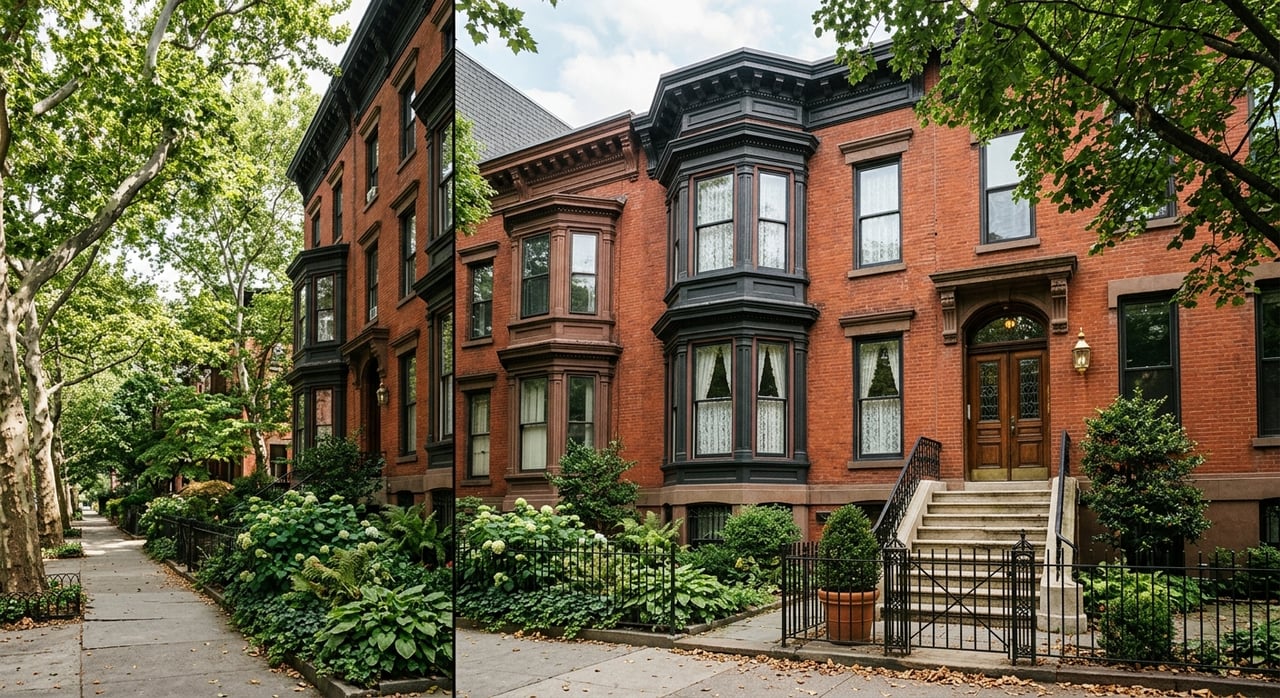
Wondering what daily life in Lincoln Park really feels like? If you are comparing Chicago neighborhoods, this one often stands out because it blends lakefront access, major park space, dining variety, and practical transit in a way that can make everyday routines feel simpler. Whether you are thinking about renting now or buying later, this guide will help you picture how Lincoln Park works day to day. Let’s dive in.
Why Lincoln Park Feels Different
Lincoln Park is shaped by its access to green space and the lakefront. The Chicago Park District says the broader Lincoln Park system protects about 1,200 acres of public lakefront land, and the neighborhood sits about two miles from downtown hotels and tourist destinations, according to the Lincoln Park Chamber. That mix gives you a neighborhood where outdoor space and city convenience are part of the same routine.
Instead of building your day around long drives across the city, you can often structure it around walking, transit, and nearby errands. For many residents, that means coffee in the morning, a quick train ride or bus trip, and time outdoors before or after work. In practical terms, Lincoln Park supports a car-light lifestyle better than many people expect.
Parks and Lakefront Access
Lincoln Park Is the Everyday Backdrop
One of the biggest draws here is how much is packed into the park area along the neighborhood. The Chicago Park District lists major destinations including the zoo, conservatory, Theatre on the Lake, rowing canal, Chicago History Museum, Peggy Notebaert Nature Museum, Alfred Caldwell Lily Pool, North Pond, and North Avenue Beach. That gives you more than just open grass and trees.
It also means your routine can change with the season without changing neighborhoods. You might take a walk near the pond one week, spend a beach afternoon the next, and use an indoor garden visit as a winter reset later in the year. Few neighborhoods offer that kind of variety within the same general area.
The Zoo and Conservatory Add Year-Round Appeal
Lincoln Park Zoo is free and open every day of the year, with its main address at 2001 N. Clark St. For residents, that makes it less of a special event and more of an easy local option when you want to get outside.
The Lincoln Park Conservatory adds another dependable stop, especially when the weather turns cold. It is free, uses timed entry, and is open Wednesday through Sunday from 10 a.m. to 5 p.m. Its four display houses help make it a year-round indoor nature destination.
Quiet Nature Spots Matter Too
Not every outdoor routine in Lincoln Park is busy or high energy. The South Pond Natural Area, also called the Nature Boardwalk, is a 12-acre natural area with native prairie and wetland plants, plus paved paths and boardwalks. It offers a calmer setting for a walk, a stroller outing, or a simple break from screens.
The Alfred Caldwell Lily Pool adds another slower-paced option. It is open dawn to dusk from mid-April through mid-November and is especially popular with birders. If you like quieter corners of the city, spaces like these can become part of your regular weekend rhythm.
Beach and Trail Access Support Active Routines
North Avenue Beach gives Lincoln Park another layer of everyday flexibility. The Chicago Park District notes that it includes an accessible path to the shoreline and a beach wheelchair available for free use with a valid ID. That practical access matters when you are evaluating how usable a neighborhood really is.
The Lakefront Trail is just as important for day-to-day life. It runs from Ardmore Avenue to 71st Street, and the Park District says a 2018 project created distinct bike and pedestrian routes. That separation supports a range of users, including commuters, runners, caregivers with children in strollers, tourists on rental bikes, and casual walkers.
Dining in Lincoln Park
Dining Is Spread Across the Neighborhood
Lincoln Park’s dining scene is not limited to one single strip. The Lincoln Park Chamber describes options throughout the neighborhood, with a mix that ranges from more affordable and family-friendly spots to established restaurants, along with strong patio dining in warmer months. For you, that usually means flexibility rather than having to plan around one crowded area.
That spread also helps daily life feel easier. You can keep things casual on a weeknight, meet friends for drinks, or plan a more polished dinner without leaving the neighborhood. It supports both routine meals and special occasions.
A Few Standout Examples Shape the Vibe
Representative dining spots help show the range. Cafe Yaya offers all-day coffee, pastries, brunch, and dinner, while The Lakefront Restaurant brings waterfront dining near Theatre on the Lake. J. Parker is known for rooftop views, Geja’s Cafe for fondue, and BOKA for a more upscale dinner.
Together, those examples suggest a neighborhood that works for different moods and schedules. You are not limited to one dining personality here. Lincoln Park can feel relaxed, scenic, social, or elevated depending on what kind of night you want.
Armitage and Halsted Are Easy to Learn
If you are new to the area, the Armitage-Halsted hub is one of the simplest places to understand first. The Lincoln Park Chamber highlights Summer House Santa Monica, J9 Wine Bar, Cafe Ba-Ba-Reeba!, and Ramen-san in that corridor. That cluster shows why the area often works well for date nights, weekend meetups, or easy weeknight dinners.
For someone picturing daily life, that matters more than a long list of restaurants. What you want is a neighborhood where you can quickly learn your go-to spots. Lincoln Park offers several corridors where that happens naturally.
Shopping and Errands
Daily Errands Stay Close to Home
Lincoln Park is not just about recreation and restaurants. The Chamber identifies Armitage, Clark, and Lincoln Avenue as the neighborhood’s main browse-and-errand streets. That gives you several familiar corridors where everyday tasks can fit into a walkable routine.
Clark Street and Diversey form a particularly busy shopping corridor near the lakefront. The Chamber notes that Clark and Diversey is one of the city’s most heavily traveled pedestrian intersections. In real life, that tells you this is an active area where shopping and foot traffic are part of the neighborhood rhythm.
Bigger Shopping Runs Have a Place Too
For larger errands, the Clybourn corridor serves a different role. According to the Chamber, it is known for national brands and a stronger home-goods and furniture focus. If you are setting up an apartment or updating a home, that concentration can be especially useful.
This mix is one reason Lincoln Park tends to work well for busy professionals and households that value convenience. You have local streets for day-to-day needs and a more destination-style corridor for bigger purchases. That balance makes the neighborhood feel functional, not just scenic.
Weekend Routines Get a Boost
Green City Market is another piece of the lifestyle picture. It operates Wednesdays and Saturdays from April through November at 1817 N. Clark, at the south end of Lincoln Park. For many residents, that helps shape a regular weekend or midweek pattern.
A neighborhood often feels more livable when recurring events are easy to fold into your routine. A market stop, a walk through the park, and a meal nearby can all happen in the same part of the neighborhood. That kind of convenience is a major part of Lincoln Park’s appeal.
Getting Around Lincoln Park
Transit Makes Car-Light Living Realistic
Transit is one of the strongest practical advantages here. CTA’s Red Line runs 24 hours a day, which is especially useful for downtown access and later return trips. If your schedule does not fit a standard commute window, that matters.
Lincoln Park also benefits from multiple useful stations. Fullerton serves the Red, Brown, and Purple lines and connects to CTA buses #37 and #74, with free transfers among the rail lines serving the station. Armitage serves the Brown and Purple lines and connects to bus #73, while Diversey serves the Brown and Purple lines and connects to bus #76.
Several Stations Support Different Routines
North/Clybourn adds another option on the Red Line and connects to buses #8, #N9, and #72. The station also offers indoor bike parking, which can make multimodal commuting easier.
Accessibility matters too when you are evaluating daily usability. CTA’s accessible station list includes Fullerton, Armitage, Diversey, Sedgwick, and Chicago on the Brown and Purple network. For residents using strollers, mobility devices, or simply preferring step-free travel, that can be an important quality-of-life factor.
What a Typical Day Can Look Like
Weekday Routine in Lincoln Park
A typical weekday in Lincoln Park often centers on efficiency. Based on the neighborhood’s transit access, trail connections, and commercial corridors, it supports a routine where commuting, errands, coffee, and dinner can stay clustered around a few familiar places.
You might start with coffee nearby, take the train toward the Loop, and come home with enough time for a walk or run on the Lakefront Trail. Later, dinner on Clark, Armitage, or Lincoln Avenue can wrap up the day without turning into a major trip. That kind of pattern is a big reason people stay in the neighborhood once they settle in.
Weekend Routine in Lincoln Park
Weekends tend to lean outdoors. With the zoo, conservatory, Nature Boardwalk, Lily Pool, beach, and Green City Market all in the same broader area, it is easy to build a full day without much planning.
For many households, that means stacking simple options together. You could start with the market, spend time in the park, stop by the conservatory or zoo, and end with dinner nearby. Lincoln Park makes that kind of flexible weekend feel very doable.
Who Lincoln Park Fits Best
Lincoln Park can be a strong fit if you want your neighborhood to do more of the work for you. It is especially appealing when you value access to parks, walkable dining and errands, and transit options that make it easier to live with less dependence on a car.
It may also be a practical choice if you want a Chicago neighborhood where daily life feels active but manageable. Rather than relying on one standout feature, Lincoln Park succeeds because many parts of everyday living line up well in the same place.
If you are weighing Lincoln Park against other Chicago neighborhoods, the best next step is to compare your actual routine. Think about how often you use transit, how much nearby green space matters, and whether you want dining and errands within a short walk. If you want help narrowing down the right fit, Lesley Sweeney can help you evaluate Lincoln Park with a clear, data-driven local perspective.
FAQs
What is daily life like in Lincoln Park, Chicago?
- Daily life in Lincoln Park often revolves around walkable errands, nearby dining, CTA access, and easy use of the park and lakefront.
What parks and outdoor spots are in Lincoln Park?
- Key outdoor destinations include Lincoln Park Zoo, the Lincoln Park Conservatory, the South Pond Natural Area, the Alfred Caldwell Lily Pool, North Avenue Beach, and the Lakefront Trail.
What is the dining scene like in Lincoln Park?
- Lincoln Park offers dining across several corridors, with options ranging from casual coffee and brunch spots to patio dining, waterfront meals, and upscale restaurants.
Is Lincoln Park a good neighborhood for living without a car?
- Lincoln Park supports car-light living with 24-hour Red Line service, multiple CTA rail stations, bus connections, walkable shopping streets, and access to the Lakefront Trail.
Where do people shop and run errands in Lincoln Park?
- Many errands and shopping trips center on Armitage, Clark, Lincoln Avenue, Clark and Diversey, and the Clybourn corridor for larger home-related purchases.
What can you do on weekends in Lincoln Park?
- Weekend routines often include visiting Green City Market, walking in the park, spending time at the zoo or conservatory, heading to the beach, and dining nearby.