Buying your first condo in Lake View can feel exciting right up until the numbers and paperwork start getting real. You may find a unit you love, then realize the monthly cost, building finances, and condo review matter just as much as the list price. The good news is that with the right plan, you can move forward with more clarity and fewer surprises. Let’s dive in.
Lake View offers a wide condo range
Lake View remains a high-demand Chicago condo market, but it is not a one-price neighborhood. Recent market snapshots show a median sale price around $535,000 over a three-month period ending in April 2026, while median listing prices have been closer to $475,000 with hundreds of active listings in May 2026. That difference is normal because listing and sales data track the market in different ways.
For a first-time buyer, the key takeaway is that Lake View has options across several price points. Current inventory includes one-bedroom condos in roughly the mid-$100,000s to mid-$200,000s, many two-bedroom units from about the mid-$300,000s to mid-$500,000s, and larger or newer lakefront and elevator-building condos from the mid-$700,000s to $1 million and up.
That range can work in your favor. It means your search can be shaped not only by price, but also by building type, location within the neighborhood, and monthly ownership costs.
Lake View feels different block to block
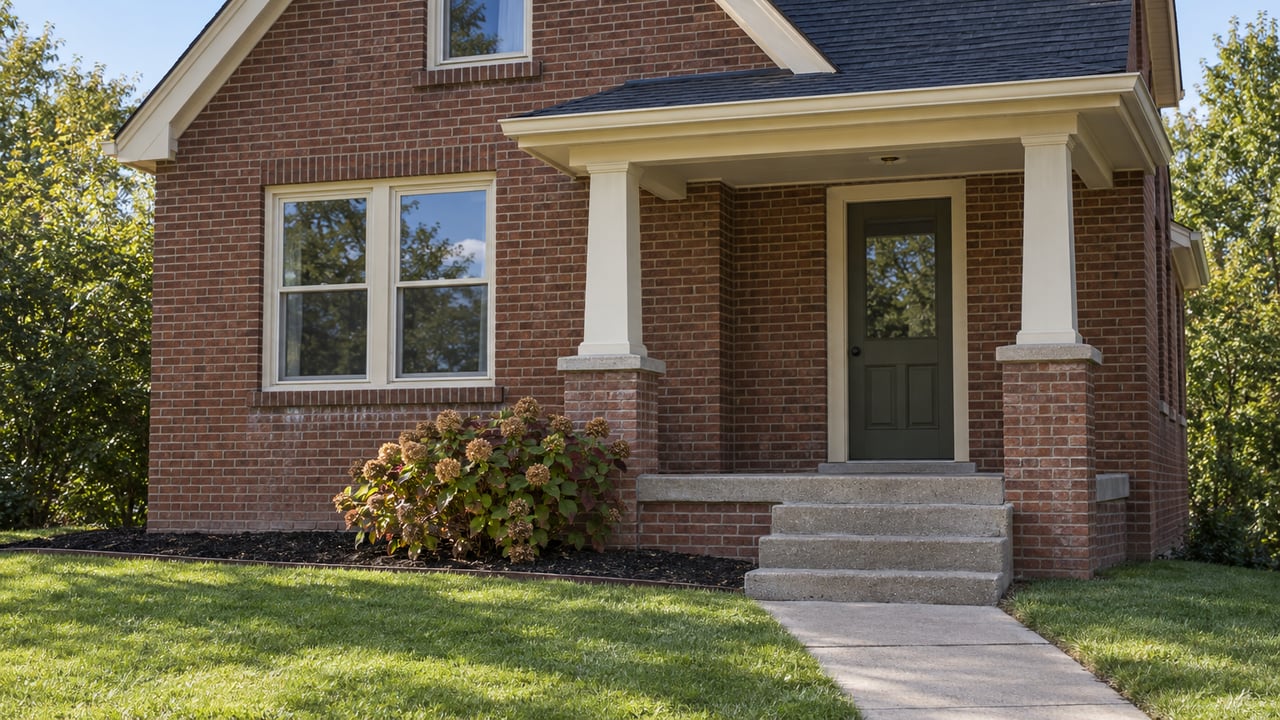
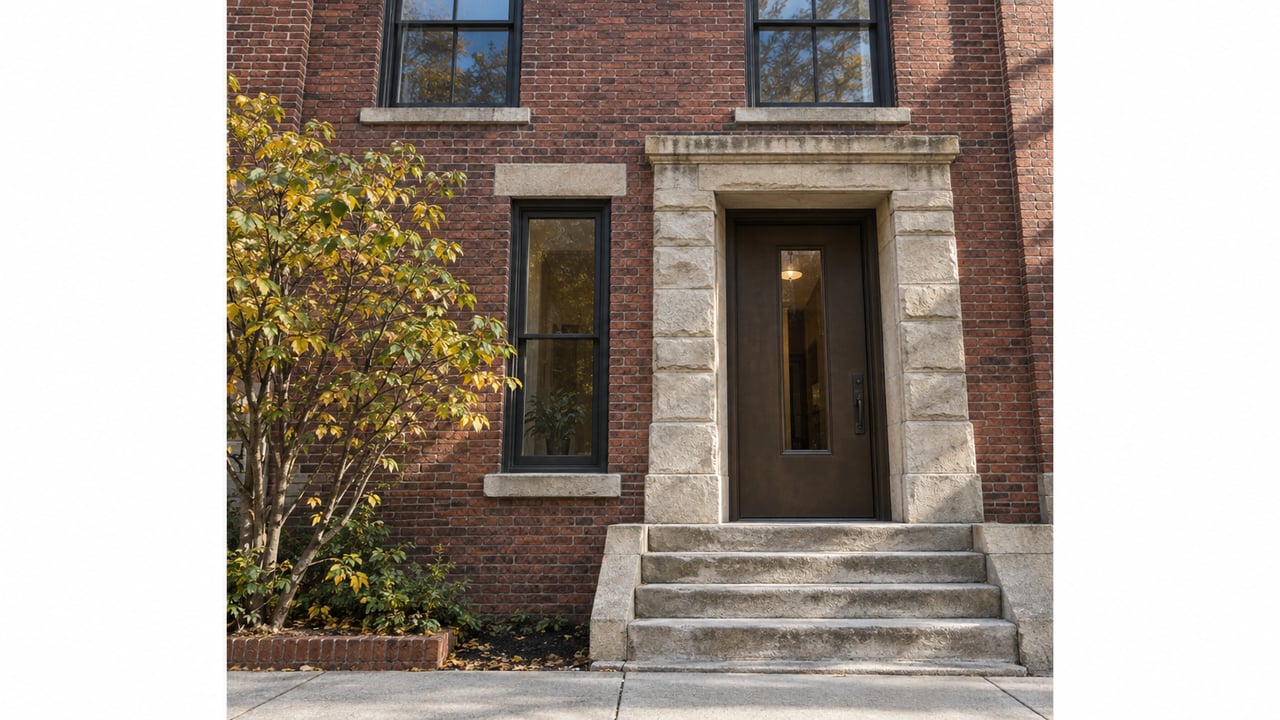
One of the biggest surprises for first-time buyers is how varied Lake View can feel. The neighborhood includes mostly condos, with many brick-and-stone low-rise buildings, common two- and three-flat structures, and some newer contemporary buildings.
Lake View also includes several distinct subareas, including East Lakeview, Central Lakeview, Northalsted, and Wrigleyville. A lakefront condo, a unit near a retail corridor, and a condo on a quieter interior street may all offer very different experiences even if the square footage looks similar online.
This is why neighborhood fit matters as much as finishes. A condo with updated countertops may still be the wrong match if the location does not support the way you actually live day to day.
Transit and access shape value
In Lake View, many buyers weigh convenience right alongside the unit itself. The neighborhood is served by the Brown, Red, and Purple CTA lines, along with several bus routes including 146, 156, 36, 77, and 8.
Belmont station connects to the Red, Brown, and Purple lines, while Southport sits on the Brown Line between Belmont and Addison. The Lakefront Trail also extends into Lake View, which adds another layer of accessibility for buyers who value outdoor access and a car-light lifestyle.
When you compare condos, think beyond the unit photos. Your commute, transit options, street activity, and proximity to the lake can all influence both your daily routine and the long-term appeal of the property.
Your budget is more than the mortgage
This is where many first-time condo buyers get caught off guard. Your monthly housing cost is not just principal and interest on the loan. You also need to factor in property taxes, insurance, and HOA dues.
HOA dues are typically paid directly to the association rather than through your mortgage servicer. Those dues can range from a few hundred dollars per month to more than $1,000 per month, depending on the building and its services.
That means a condo with a lower list price is not always the lower-cost option each month. A smart comparison looks at the full monthly payment, not just the asking price.
HOA documents matter more than you think
When you buy a condo, you are not only buying the unit. You are also buying into the building’s financial structure, rules, and shared responsibilities.
In Illinois, the association’s proposed annual budget must be provided to unit owners at least 25 days before adoption. That budget must show what portions are intended for reserves, capital expenditures, repairs, or real estate taxes.
For you as a buyer, those details can reveal a lot. They help show whether the building appears to be planning ahead for future expenses or simply reacting when repairs become urgent.
Reserve health can affect future costs
A building’s reserve fund is one of the most important things to review before you commit. Reserve funds are money set aside for future repairs and major capital projects.
If reserves are low, owners may face higher monthly dues or special assessments later. Fannie Mae’s condo buyer guidance specifically recommends asking about reserve funds, pending major repairs, special-assessment history, owner delinquencies, master insurance, and any lawsuits involving the association.
This is not about trying to predict every future expense. It is about understanding whether the building appears financially prepared or whether costs may be pushed onto owners with less warning.
Special assessments deserve close review
Special assessments are one of the most important condo-specific risks to understand. These are extra charges owners may be asked to pay when the building needs funds beyond regular assessments.
Under the Illinois Condominium Property Act, owners have notice and petition rights if regular and special assessments exceed 115% of the prior year’s total, although some emergency or legally required assessments can be adopted without that approval process. For a first-time buyer, that means the association’s current budget and recent assessment history are not small details. They are central to your risk picture.
Ask simple, direct questions during due diligence:
- Are there any pending special assessments?
- Have there been special assessments in recent years?
- What major repairs are expected next?
- How much is currently held in reserves?
- Are many owners behind on dues?
These questions can help you avoid a situation where an affordable purchase becomes a more expensive ownership experience.
Building type affects lifestyle and costs
Not every condo building in Lake View operates the same way. A walk-up low-rise may have different monthly dues and maintenance needs than a newer elevator building or a larger lakefront property.
In general, building style can influence what you pay for and how you live. Shared amenities, staffing, building systems, and maintenance scope often affect HOA dues, while location and building character may affect demand and resale appeal.
That is why it helps to compare condos as complete ownership packages. Price, dues, building condition, and location should all be reviewed together.
The timeline is usually manageable
Many first-time buyers worry that the process will take forever. In reality, a practical planning assumption is about six weeks from mortgage application to closing for a conventional condo purchase, with some deals moving faster and others taking longer.
Consumer mortgage rules require lenders to send a Loan Estimate within three business days after receiving the required application information. The Closing Disclosure must then be delivered at least three business days before closing.
The condo factor is what can slow things down. Lenders may need the HOA budget, reserve information, master insurance details, delinquency data, and special-assessment information before they can fully review the project.
Why condo deals can hit delays
With a single-family home, the financing review is mostly about you and the property. With a condo, the lender often reviews the building too.
That review may include reserve funding, insurance coverage, assessment status, and other project-level details. If the association is slow to provide documents, your timeline can stretch even if the rest of the transaction is moving well.
This is one reason pre-qualification and early planning matter. A clear budget and a responsive team can help you move faster once you find the right unit.
What to expect as a first-time buyer
If you are preparing to buy your first Lake View condo, here is the process in simple terms:
- Get pre-qualified so you understand your full monthly payment range.
- Compare condos by both purchase price and HOA dues.
- Narrow your search by subarea, transit access, and building type.
- Review association documents carefully during due diligence.
- Watch for reserve strength, special-assessment risk, and pending repairs.
- Build in extra time for condo document review before closing.
This process may sound detailed, but it is there to protect you. Good decisions usually come from slowing down at the right moments, not rushing through the details.
The right condo is more than a pretty unit
A first condo in Lake View can be a smart move, especially if you want access to transit, the lakefront, and a wide range of building styles and price points. The best purchase is not always the one with the flashiest kitchen or the lowest list price. It is the one that fits your budget, your routine, and the building’s financial reality.
If you go in expecting to review HOA dues, reserves, and assessment history as carefully as you review the floor plan, you will be in a much stronger position. That kind of preparation can help you buy with more confidence and fewer surprises.
If you are thinking about buying your first condo in Lake View and want a clear, data-driven plan, schedule your complimentary market consultation with Lesley Sweeney.
FAQs
What is the typical price range for first-time condo buyers in Lake View?
- Current Lake View inventory includes one-bedroom condos from roughly the mid-$100,000s to mid-$200,000s, with many two-bedroom units in about the mid-$300,000s to mid-$500,000s.
What should first-time buyers in Lake View know about HOA dues?
- HOA dues are usually paid directly to the association and should be added to your full monthly housing budget along with mortgage costs, taxes, and insurance.
Why do Lake View condo reserve funds matter to buyers?
- Reserve funds help cover future repairs and capital projects, and low reserves can increase the chance of higher dues or special assessments.
How long does it usually take to close on a Lake View condo?
- A reasonable planning benchmark is about six weeks from mortgage application to closing, although condo document review can add time if association materials arrive slowly.
How do transit options affect condo choices in Lake View?
- Many buyers compare condos based on access to the Red, Brown, and Purple CTA lines, bus routes, and the Lakefront Trail because convenience can shape both daily use and long-term value.
What association documents should a first-time Lake View condo buyer review?
- Buyers should closely review the HOA budget, reserve information, special-assessment history, master insurance details, and any information about pending repairs or owner delinquencies.